Hypothenar Muscles: Pain Pattern and Treatment
The hypothenar muscles form the fleshy mound on the little-finger side of the palm: the abductor, the short flexor, and the opponens digiti minimi. They spread, bend, and cup the little finger toward the thumb. Their documented pattern is pain in that mound and along the outer side of the little finger. It is a common finding in a hand that cups all day, a mug, a mouse, a phone held in one hand, a steering wheel gripped at the bottom. The nerve to the little finger runs beside these muscles, so a numb little finger points to the nerve and is examined separately. This page relates to the thumb muscles page, its mirror on the other side of the palm.
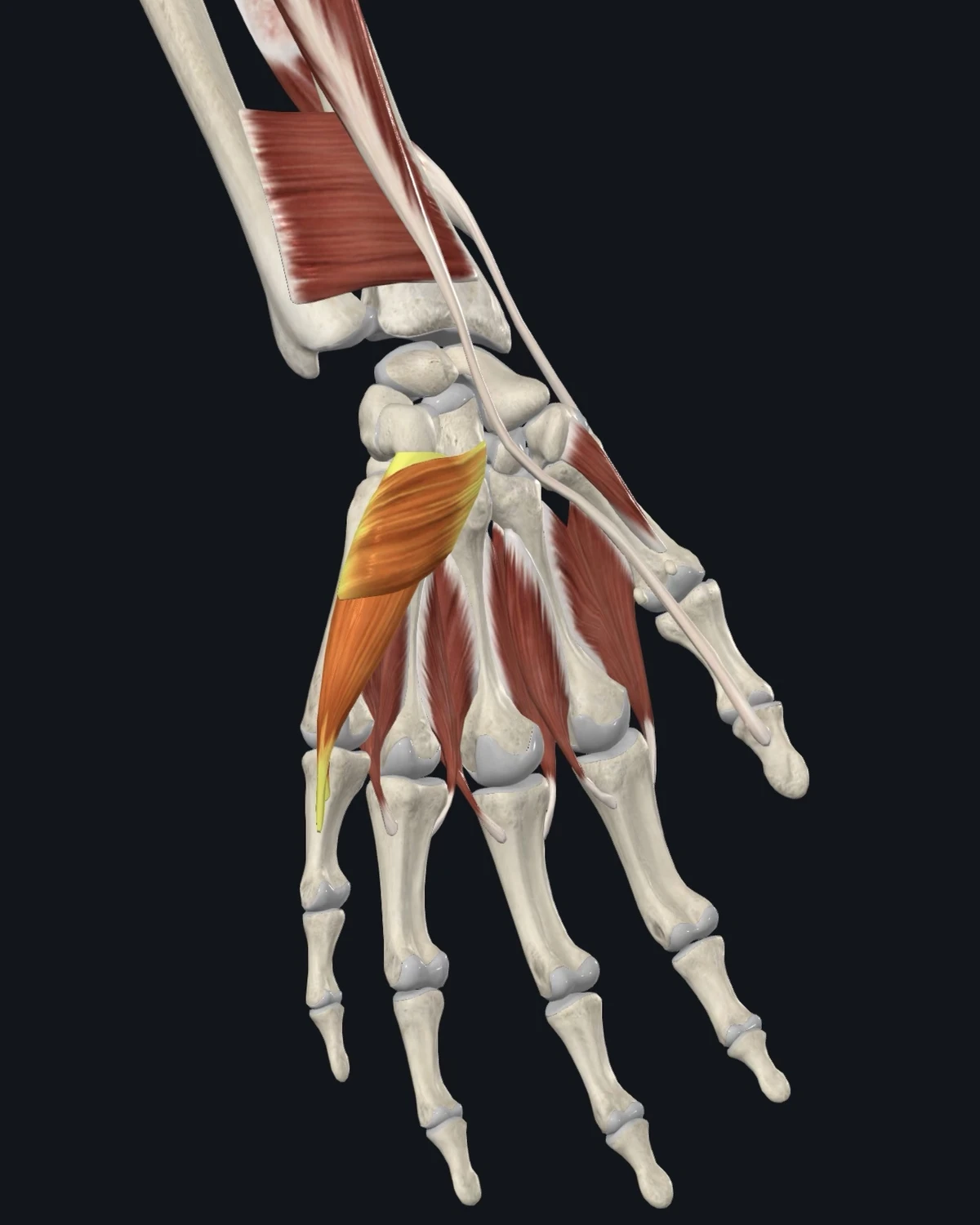
Attachments and action
Origin: The pisiform (abductor digiti minimi); the hook of the hamate and the flexor retinaculum (flexor digiti minimi brevis and opponens digiti minimi).
Insertion: The inner side of the base of the proximal phalanx of the little finger (abductor and short flexor); the inner border of the fifth metacarpal (opponens).
Action: Abduction, flexion, and opposition of the little finger; together they cup the palm.
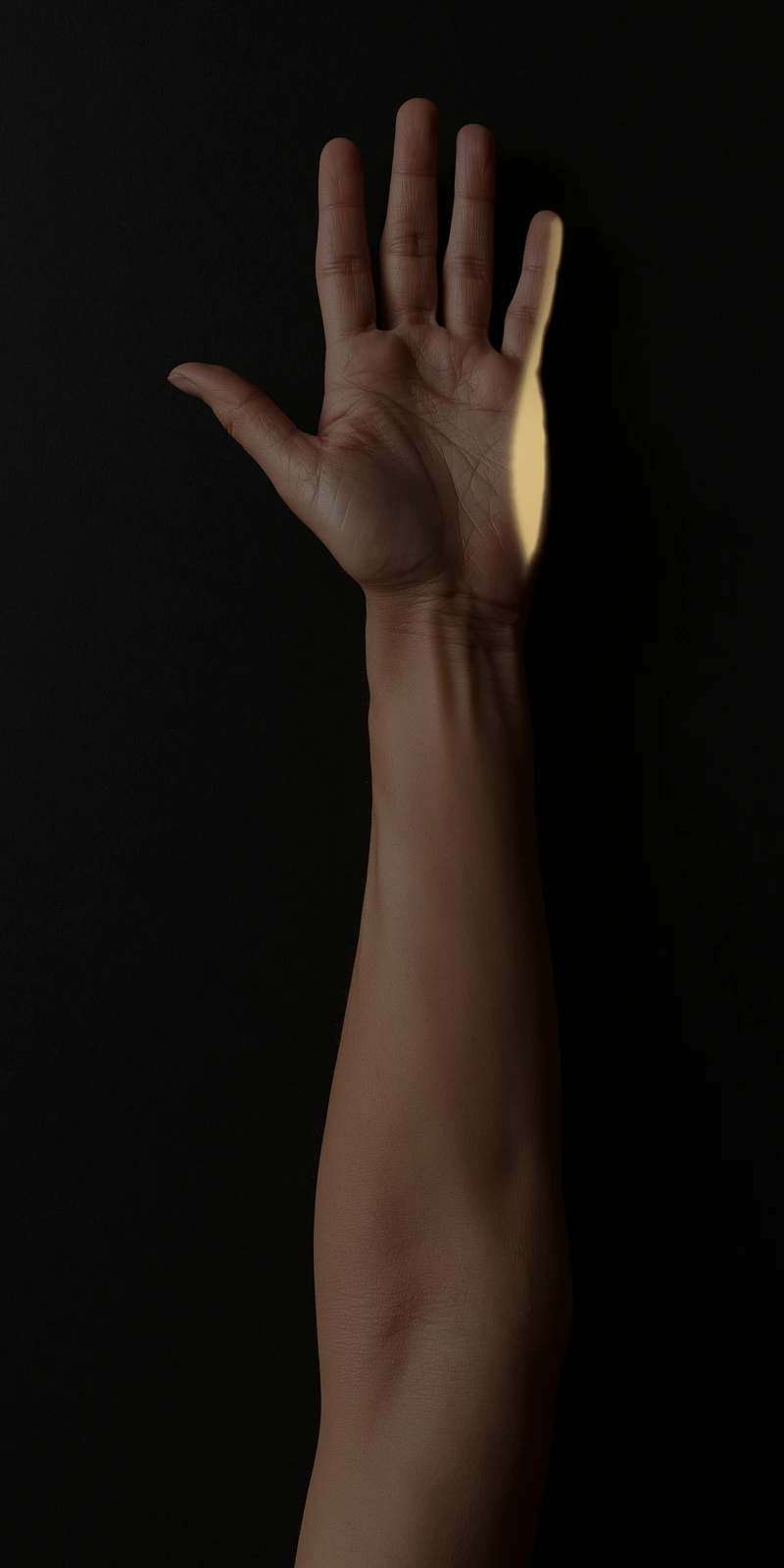
Where the pain is felt: In the fleshy mound on the little-finger side of the palm. Along the outer side of the little finger. Sometimes the back of the hand on that side.
Common causes: Holding a phone, a mug, or a ball in one hand for hours; a mouse gripped on its outer edge; pruning shears and pliers; cycling with the weight on the outer palm; a cane or a crutch; a fall onto the heel of the hand.
Patients say: "The outside of my palm aches." "Holding my phone one-handed sets it off." A tender mound below the little finger. "The little finger side of my hand hurts to cup a glass."
When to get evaluated: A numb little finger, or weakness spreading the fingers, needs a nerve assessment; the ulnar nerve can be compressed at the wrist or the elbow. Pain on the little-finger side of the hand after a fall, with swelling, needs an X-ray for a fracture of the hamate or the fifth metacarpal first.
How this muscle is examined and treated
Examination tests abduction and cupping of the little finger against resistance, presses the mound below the little finger for the point that reproduces the familiar pain, and checks the little finger for numbness to separate the muscle from the nerve. Needling here addresses the muscles of the mound from the edge of the palm. Assessment and treatment happen in the same visit.
Related conditions
TendinitisChronic Pain PatternsSports & Performance Injuries
This page is educational. It describes muscle referral patterns commonly associated with pain; it does not diagnose your condition. Individual patterns vary. For evaluation of your specific pain, see a licensed clinician. Seek immediate medical care for emergencies. Eugene Baek, L.Ac. · New Jersey License 25MZ00080600