Brachioradialis: Pain Pattern and Treatment
The brachioradialis runs along the thumb side of the forearm and bends the elbow when the hand is in its natural handshake position. Its documented pattern is an ache at the outer elbow running down the thumb side of the forearm to the base of the thumb, a common contributor to what is called tennis elbow.
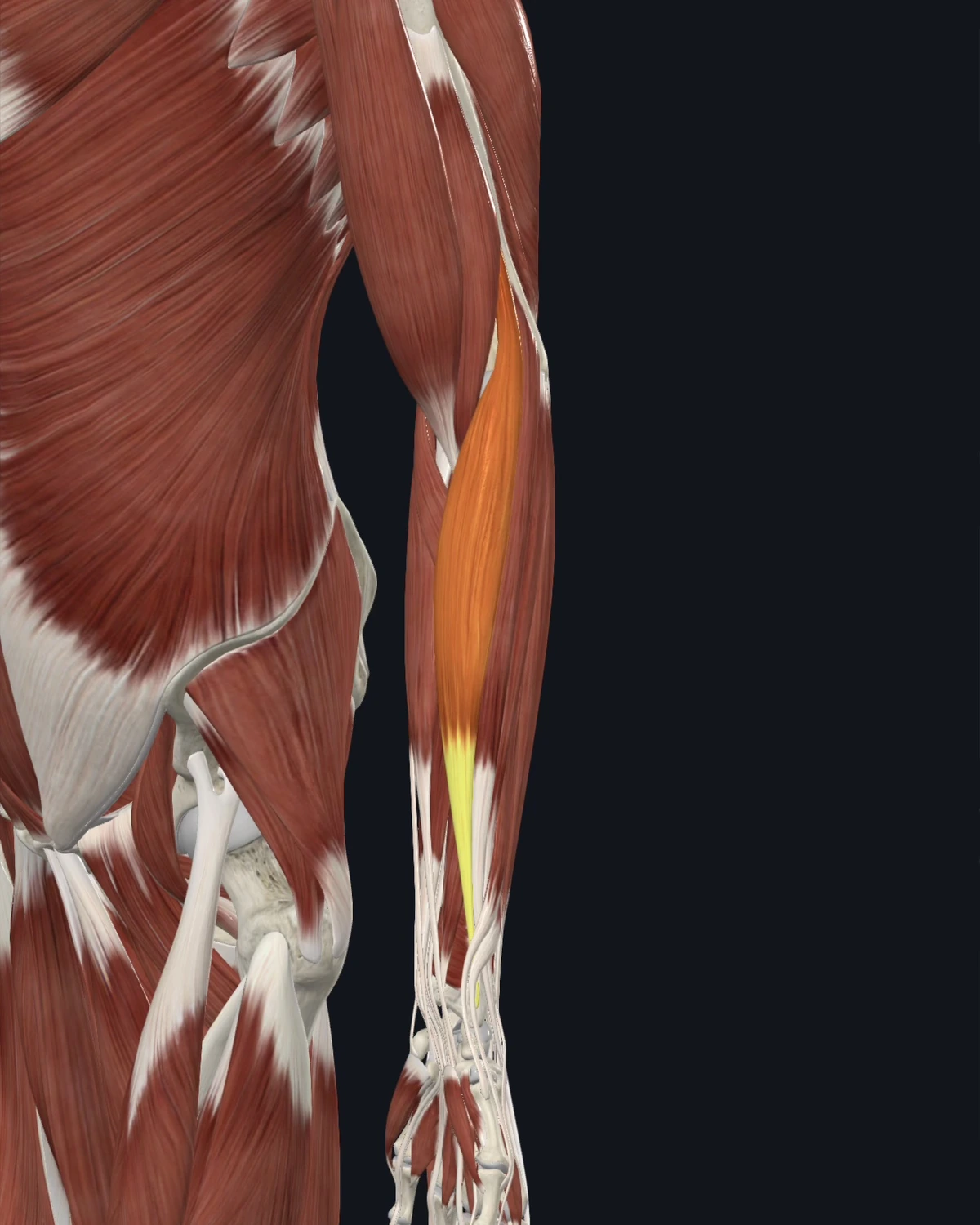
Attachments and action
Origin: The lateral supracondylar ridge of the humerus.
Insertion: The base of the styloid process of the radius, at the wrist.
Action: Flexion of the elbow, strongest with the forearm midway between palm-up and palm-down.
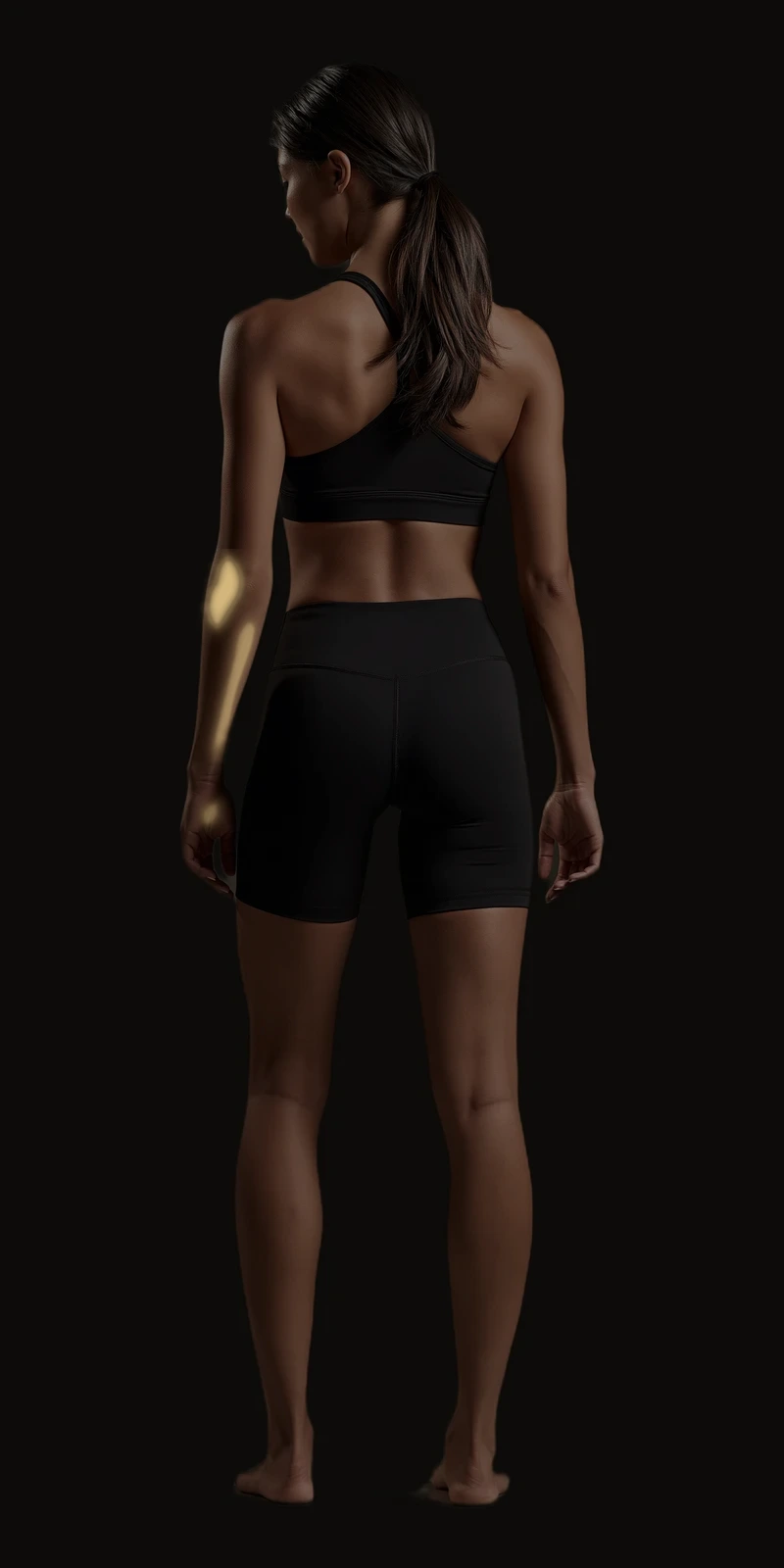
Where the pain is felt: At the outer elbow, in a band down the thumb side of the forearm, and at the web and base of the thumb.
Common causes: Gripping with the thumb side of the hand, handshakes and hand tools, carrying bags by the handle, racket sports, repetitive mouse and phone grip.
Patients say: “Tennis elbow that runs down into my thumb.” A sore spot on the outer elbow. Grip that tires early.
When to get evaluated: Outer-elbow pain with locking, catching, or giving way at the joint gets orthopedic assessment before needling.
How this muscle is examined and treated
Examination tests grip and resisted elbow flexion in the handshake position and maps the muscle belly just below the outer elbow for the points that reproduce the familiar ache. Needling addresses the muscle directly along the radial forearm. Assessment and treatment happen in the same visit.
Related conditions
TendinitisSports & Performance InjuriesChronic Pain Patterns
This page is educational. It describes muscle referral patterns commonly associated with pain; it does not diagnose your condition. Individual patterns vary. For evaluation of your specific pain, see a licensed clinician. Seek immediate medical care for emergencies. Eugene Baek, L.Ac. · New Jersey License 25MZ00080600