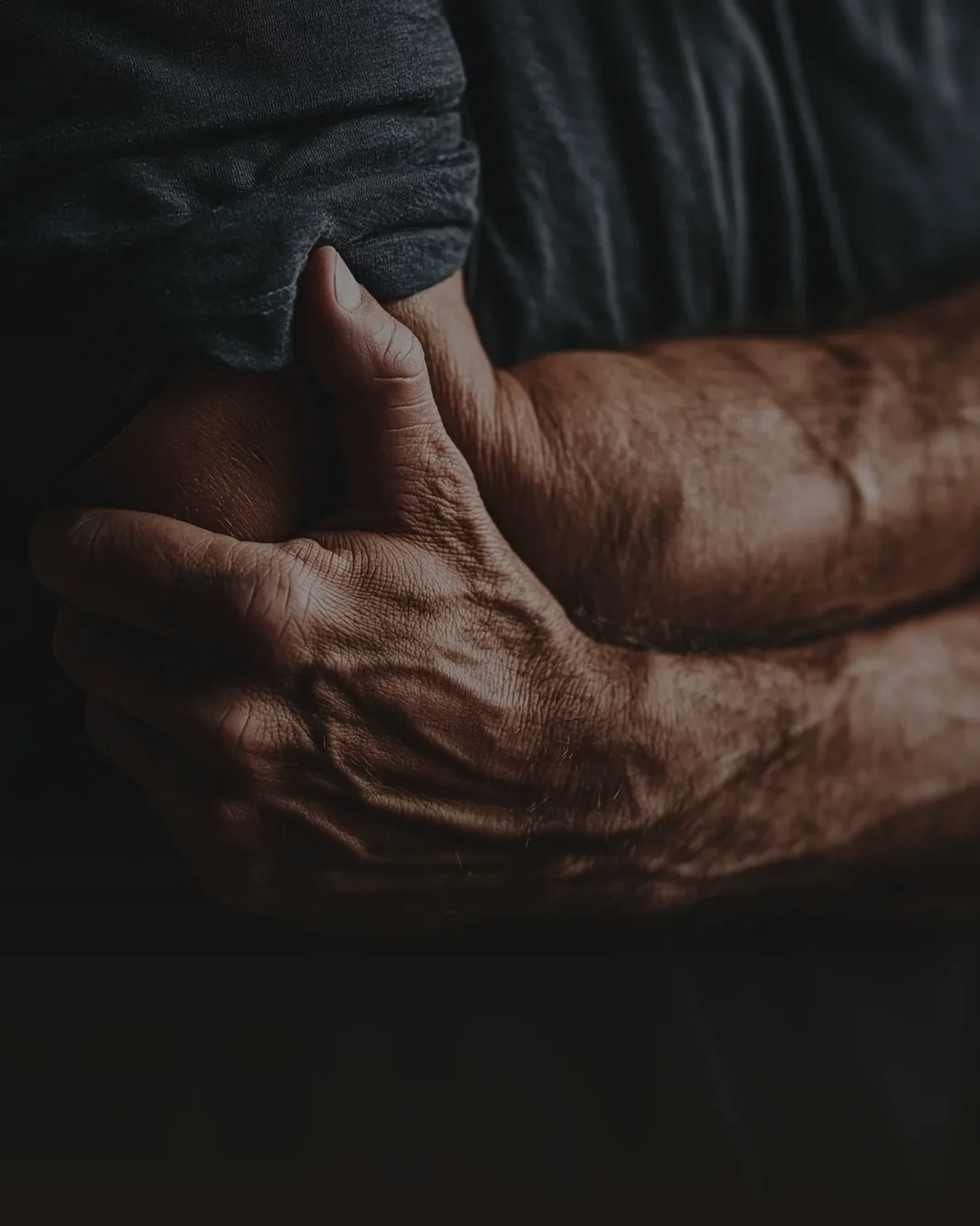
Tendinitis relief that starts
at the first visit.
Dry needling and acupuncture in one visit, releasing the trigger points in the muscle that keeps the tendon under load.
5.0 · 62 reviews on GoogleTreated, you grip, lift, and push off without the tendon reporting in.
Seek urgent medical care first for:
a pop with sudden loss of strength, or a visible gap in the tendon,
a hot, red, swollen tendon with fever,
a joint you cannot put weight on after an injury,
tendon pain that began while taking a fluoroquinolone antibiotic,
or numbness or weakness in the limb.
First visits are typically $300, follow-ups $250. Acunatomy is out-of-network with all plans; HSA and FSA cards are accepted, and a superbill is provided for reimbursement. Coverage and costs, explained.
"I was skeptical of acupuncture in general and he made me a believer. After one session, my tendinitis was cured. His knowledge of how the body works is amazing and his gentle disposition makes you feel like you’re home."
Does acupuncture help tendinitis?
Yes. In a randomized trial of 108 patients with tennis elbow that had not resolved with first-line care, dry needling was more effective than a cortisone injection over six months. Chronic tendon pain is degeneration under a load that never changes, and the load comes from the muscle attached to the tendon. Dry needling reduces tension in that muscle and acupuncture stimulates collagen repair so the tendon heals faster.
Uygur et al., Journal of Shoulder and Elbow Surgery, 2021 · Cook and Purdam, British Journal of Sports Medicine, 2009
See the forearm extensor referral pattern in the Pain Finder
A typical treatment timeline.
Pain during activity typically reduces between visits.
What resolution looks like for your tendon.
Training around every pull and row.
Every pull, full weight.
Feeling every swing in your elbow.
Eighteen holes, elbow quiet.
The brace as a daily accessory.
Forgetting you needed one.
Common questions about tendinitis treatment.
Because persistent tendon pain is rarely inflammation. By the time it has lasted weeks, the tendon is in dysrepair, and the muscle attached to it carries trigger points that keep it under load. Rest calms the tendon; it does not release the pull. Treatment targets the muscle behind the tension, then rebuilds the tendon’s tolerance to load.
Yes. In a randomized trial of 108 patients with tennis elbow, dry needling was more effective than a cortisone injection over six months. Tennis elbow involves the wrist extensors and golfer’s elbow the wrist flexors; trigger points in those forearm muscles maintain tension at the tendon attachment, and dry needling releases them directly. Grip pain typically eases within 2 to 3 sessions.
Not exactly. Tendinitis implies inflammation; tendinosis is degeneration of the tendon with little or no inflammation, and it is what biopsy studies find in chronic tendon pain. Tendon pathology runs on a continuum: a reactive tendon recovers if the load on it is corrected; left under load it moves toward degeneration. The assessment places your tendon on that continuum and treats the muscle loading it accordingly.
Because rest calmed the tendon without changing what overloaded it. The muscle attached to that tendon carries trigger points and excess tension, so the moment training resumes, the tendon receives the same abnormal pull. Durable recovery treats the muscle and the tendon as one system and rebuilds load tolerance.
They remove what stalls it. Needling releases the muscular tension that keeps overloading the tendon, and acupuncture reduces the pain so the tendon can be loaded again, which is what drives tendon repair. Tendons heal slowly and no treatment makes that instant; taking the abnormal load off is what shifts the trajectory.
Yes. The Achilles transmits the load of the gastrocnemius and soleus with every step, and trigger points in those muscles keep the tendon under tension even at rest; limited ankle bend is also the strongest known risk factor for plantar heel pain. Dry needling releases the gastrocnemius and soleus trigger points that keep the Achilles loaded, and acupuncture reduces the pain at the heel. Runners typically notice reduced morning stiffness and better load tolerance as those muscles release.
Where does it hurt?
Or find it on the body →Your tendon can
load again.
Let’s rebuild it.
5.0 · 62 reviews on Google
Out-of-Network Insurance Accepted: Horizon BCBS · Oxford · UnitedHealthcare · Cigna · Aetna · Self-Pay Available