Extensor Indicis: Pain Pattern and Treatment
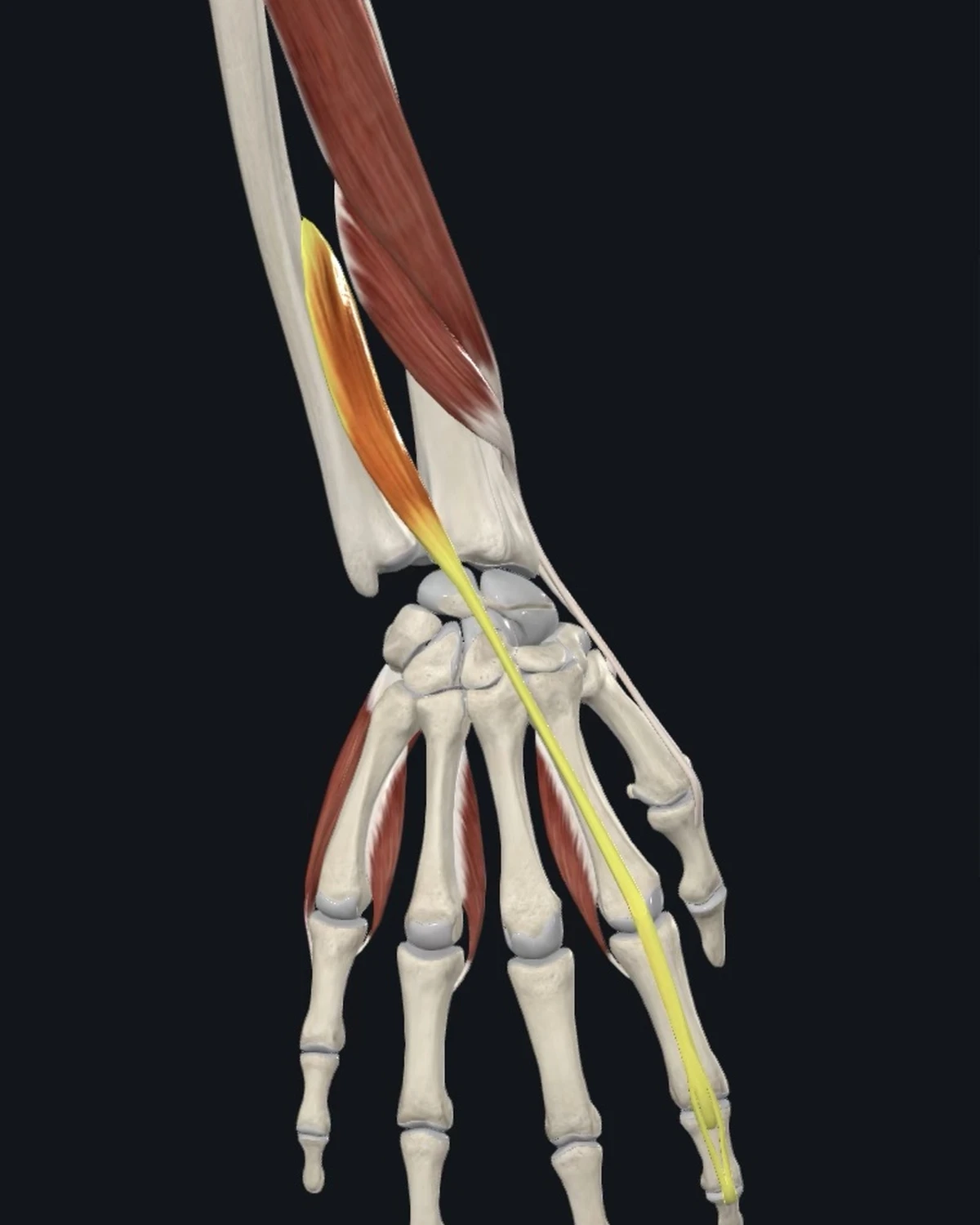
The extensor indicis is a small muscle deep in the lower back of the forearm whose tendon runs to the back of the index finger beside the common extensor tendon. It straightens the index finger on its own, the pointing and clicking muscle. Its documented pattern is pain on the back of the wrist and the thumb side of the back of the hand; the manual notes that it does not project into the fingers. It is the muscle behind the ache on the back of the hand in people who click a mouse or squeeze a trigger all day. This is a sub-page of the forearm extensor group page.
Attachments and action
Origin: The lower back of the ulna and the adjacent interosseous membrane.
Insertion: The extensor expansion on the back of the index finger, on the ulnar side of the extensor digitorum tendon.
Action: Extension of the index finger at all joints, independent of the other fingers; it assists wrist extension.
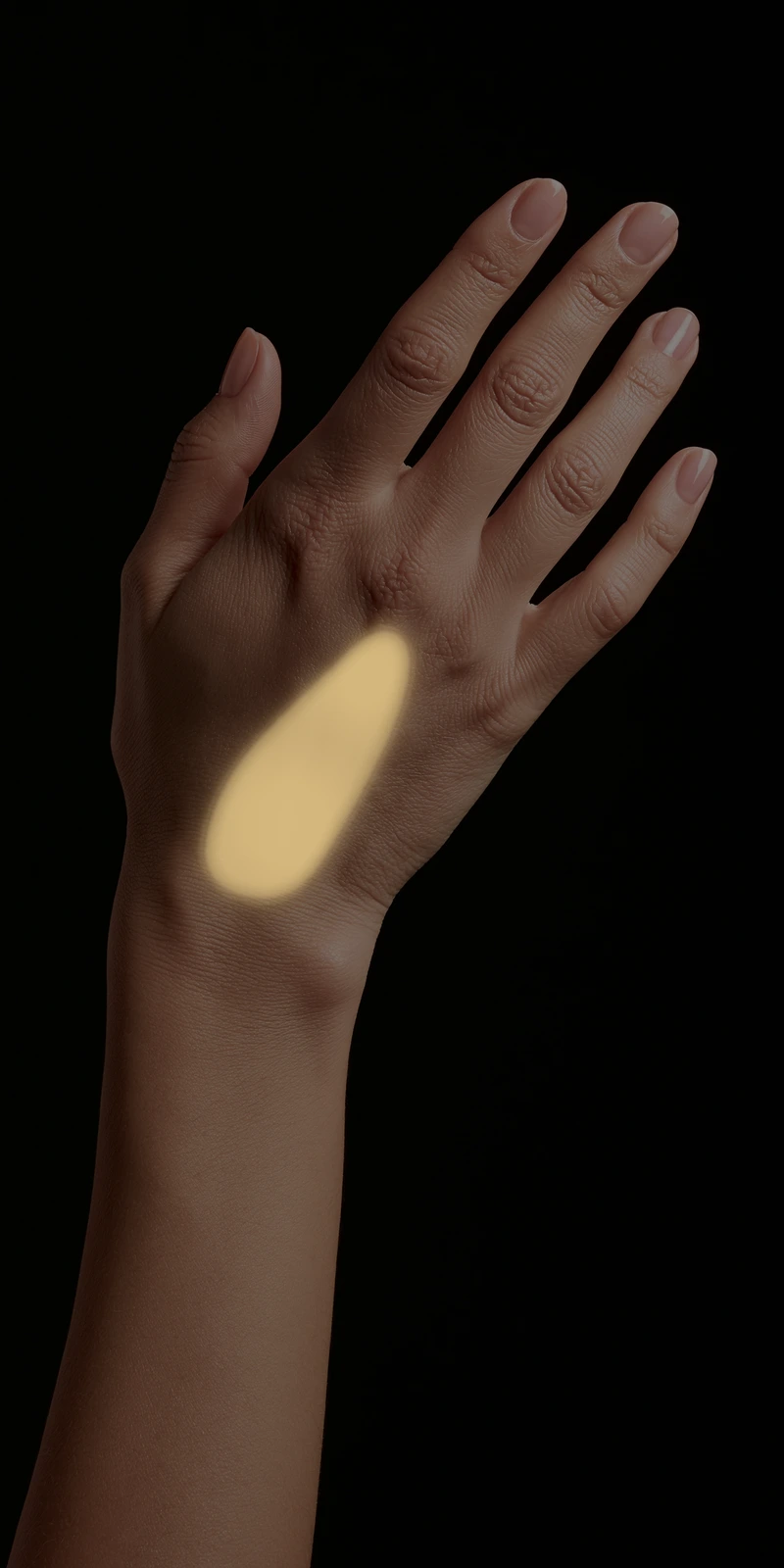
Where the pain is felt: At the back of the wrist on the thumb side. On the thumb side of the back of the hand toward the base of the index finger. Not in the fingers themselves. Worst pointing, clicking a mouse, and squeezing a trigger.
Common causes: Mousing and trackpad clicking; a spray bottle or a power tool trigger; pointing and gesturing for hours in teaching or presenting; guitar and piano; a keyboard with the index finger held up; a fall onto the hand.
Patients say: "The back of my hand aches behind my index finger." "Clicking the mouse is the worst." An ache at the back of my wrist by the end of the workday. "Lifting my index finger hurts."
When to get evaluated: Back-of-hand pain after a fall or a punch, with swelling over the long bone, needs an X-ray for a metacarpal fracture first. A firm lump on the back of the wrist or hand may be a ganglion and is assessed on its own. Numbness on the back of the hand with weakness lifting the fingers needs a nerve assessment.
How this muscle is examined and treated
Examination tests lifting the index finger alone against resistance with the other fingers held down, presses the small muscle deep in the lower back of the forearm just above the wrist for the point that reproduces the back-of-hand pain, and checks the metacarpal and the wrist for bone tenderness or a ganglion. Needling here addresses the muscle deep in the lower back of the forearm, not the hand. Assessment and treatment happen in the same visit.
Related conditions
TendinitisChronic Pain PatternsSports & Performance Injuries
This page is educational. It describes muscle referral patterns commonly associated with pain; it does not diagnose your condition. Individual patterns vary. For evaluation of your specific pain, see a licensed clinician. Seek immediate medical care for emergencies. Eugene Baek, L.Ac. · New Jersey License 25MZ00080600