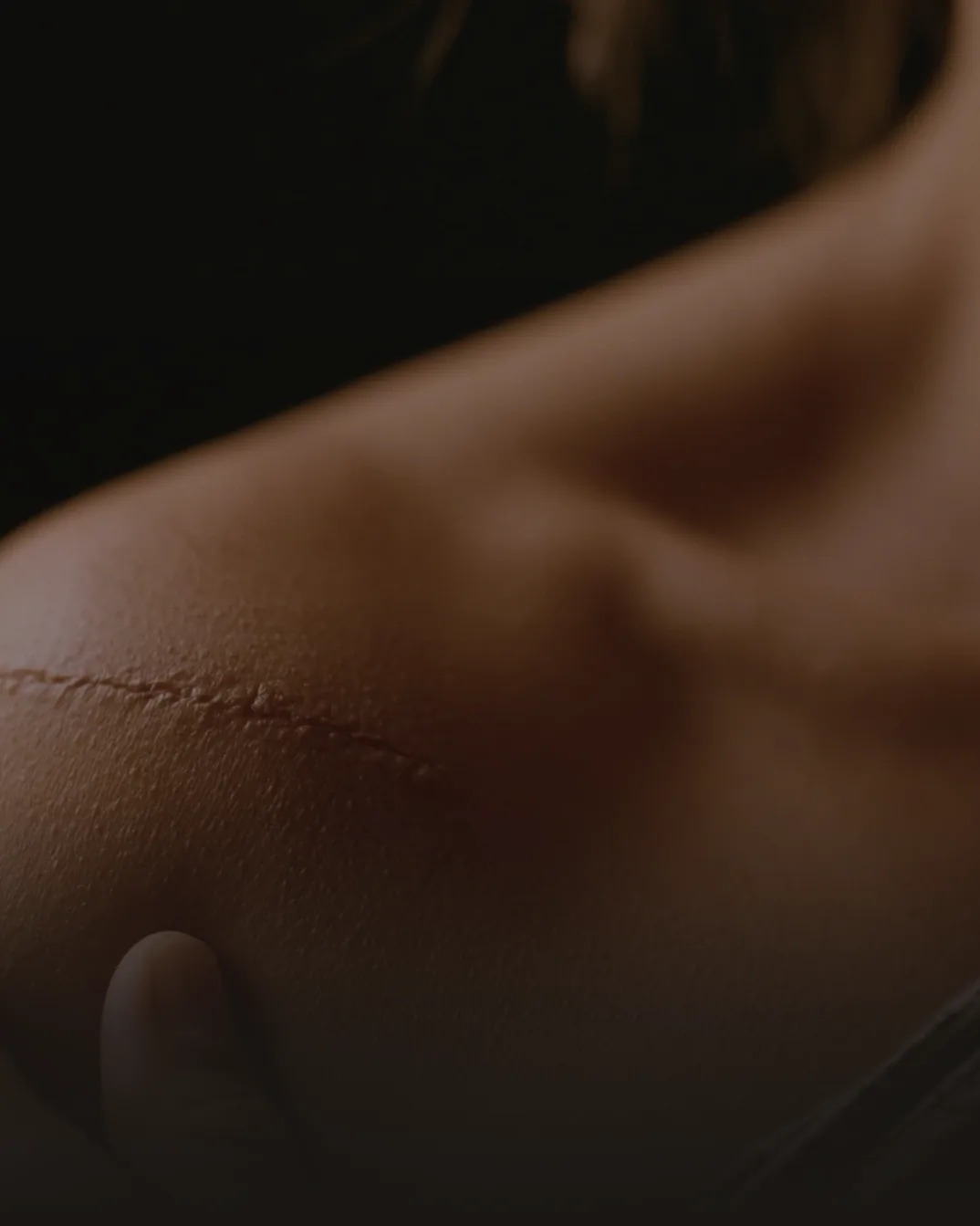
Post-surgical recovery that restarts
at the first visit.
Dry needling and acupuncture in one visit, alongside your rehab, releasing the muscles that protected the surgery and are still guarding.
5.0 · 62 reviews on GoogleTreated, you move without bracing, finish your rehab, and stop wondering if this is the new normal.
Seek urgent medical care first for:
redness, drainage, or fever at the surgical site,
calf pain or swelling after surgery,
sudden shortness of breath or chest pain,
new numbness or weakness in the limb,
or a joint that suddenly gives way or looks out of place.
First visits are typically $300, follow-ups $250. Acunatomy is out-of-network with all plans; HSA and FSA cards are accepted, and a superbill is provided for reimbursement. Coverage and costs, explained.
Does acupuncture help recovery after surgery?
Yes. In 15 sham-controlled randomized trials, acupuncture around surgery reduced pain at 8, 24, and 72 hours; in a double-blind trial of 40 knee replacements, needling the trigger points found before surgery reduced pain in the first month. The muscles that protected the joint while it healed keep guarding after the repair is sound. Dry needling releases that guarding and acupuncture reduces the post-operative pain, swelling, and stiffness, alongside your rehab.
Sun et al., British Journal of Anaesthesia, 2008 · Mayoral et al., 2013
A typical treatment timeline.
Range and function typically improve between visits.
What resolution looks like after surgery.
Wondering if this is the new normal.
Doing what you used to avoid.
Cleared by the surgeon, still careful.
Moving like it’s healed.
Three months out, still behind schedule.
Back on schedule, moving freely.
Common questions about post-surgical recovery.
For orthopedic surgery, typically 4 to 6 weeks post-op, sometimes sooner depending on the procedure and your surgeon’s protocol. The surgical site itself is not needled during early healing; treatment works on the compensatory tension in the surrounding muscles and uses acupuncture for pain and recovery. Coordination with your surgeon is welcome.
Yes. PT rebuilds strength and range. If trigger points formed during the injury or the recovery, they restrict movement, refer pain, and cap what strengthening can reach; dry needling releases them directly, and acupuncture reduces the sensitization that surgery can leave behind. In a trial after ACL reconstruction, adding quadriceps dry needling to rehab improved pain, range, and function over rehab alone.
Yes, with precise anatomical knowledge. The incision area is avoided during early healing. The muscles around a surgical site are a primary cause of post-operative pain: the rotator cuff after shoulder surgery, the quadriceps after knee surgery, the paraspinals after spinal procedures. All are treated once healing is established.
Because pain that outlasts a sound repair is coming from the muscles that protected the area for months and from a nervous system that grew more sensitive during that time, not from the repair. Persistent pain after surgery is a recognized condition with its own mechanism. Neither the muscle pattern nor the sensitivity shows on a scan, and both respond to treatment.
Yes. Tissue around a scar can become adherent and hypersensitive, and the nearby muscles develop trigger points from months of protective movement. Careful needling around, not through, the scar desensitizes the area, and treating the surrounding muscles restores normal movement. A scar still painful long after healing is worth treating.
No. Treatment sits alongside your rehab: the surgeon’s restrictions are followed, the incision is avoided in early healing, and the muscles treated are the ones your exercises are trying to reach. Bring your protocol to the first visit and it is built into the plan.
Where does it hurt?
Or find it on the body →Your surgery did its part.
Let’s finish the recovery.
5.0 · 62 reviews on Google
Out-of-Network Insurance Accepted: Horizon BCBS · Oxford · UnitedHealthcare · Cigna · Aetna · Self-Pay Available