Pectineus: Pain Pattern and Treatment
The pectineus is a short, flat muscle at the top of the inner thigh, running from the pubic bone to the upper femur. It sits between the hip flexors and the adductors and does a little of both jobs. Its documented pattern is deep groin pain just below the crease of the hip, over the front of the joint, spreading a short way down the inner thigh. It is the groin pain that remains after the adductors and the iliopsoas have been treated.
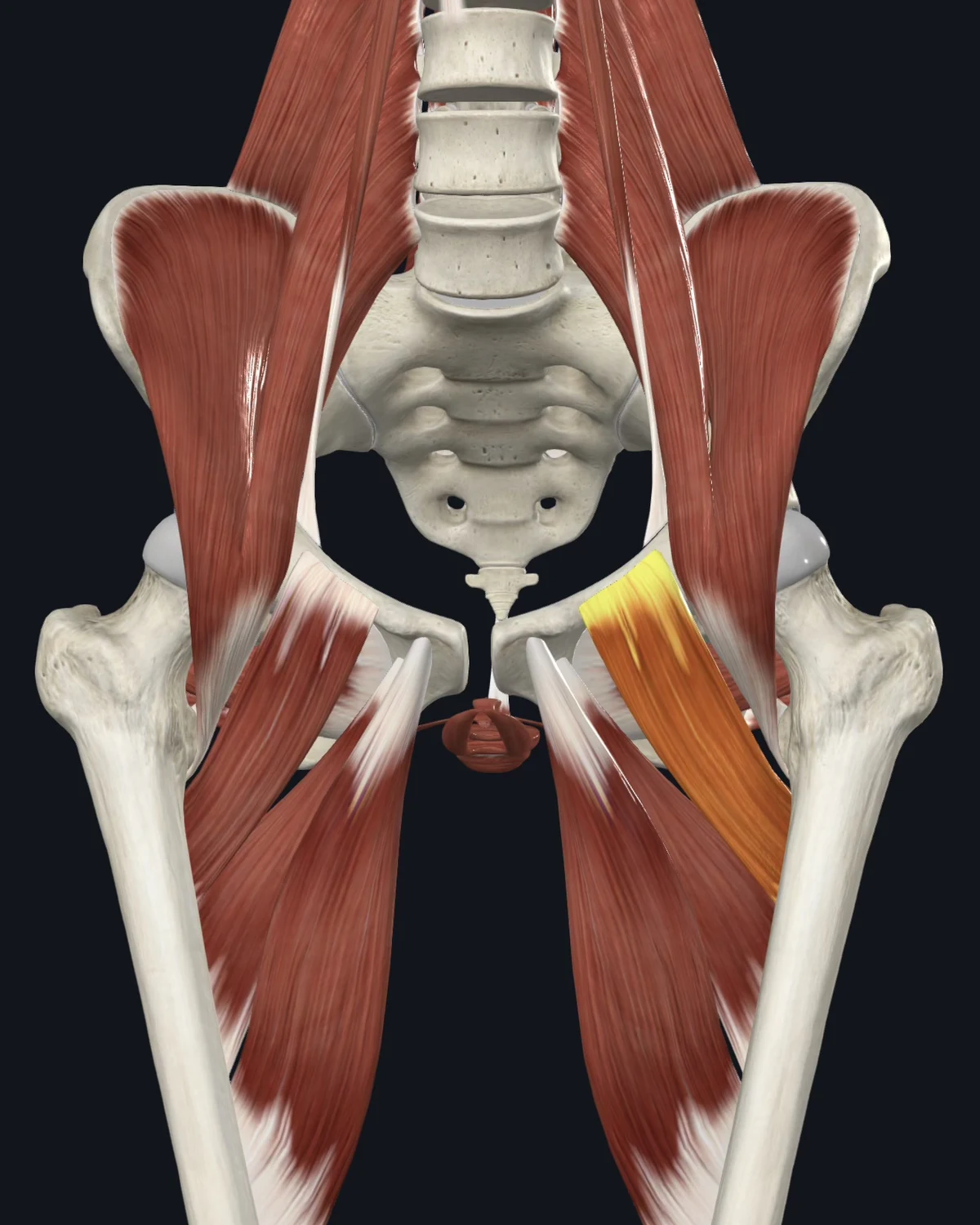
Attachments and action
Origin: The pecten pubis and the adjacent surface of the superior pubic ramus.
Insertion: The pectineal line of the femur, from the lesser trochanter toward the linea aspera.
Action: Adduction and flexion of the hip; it assists medial rotation.
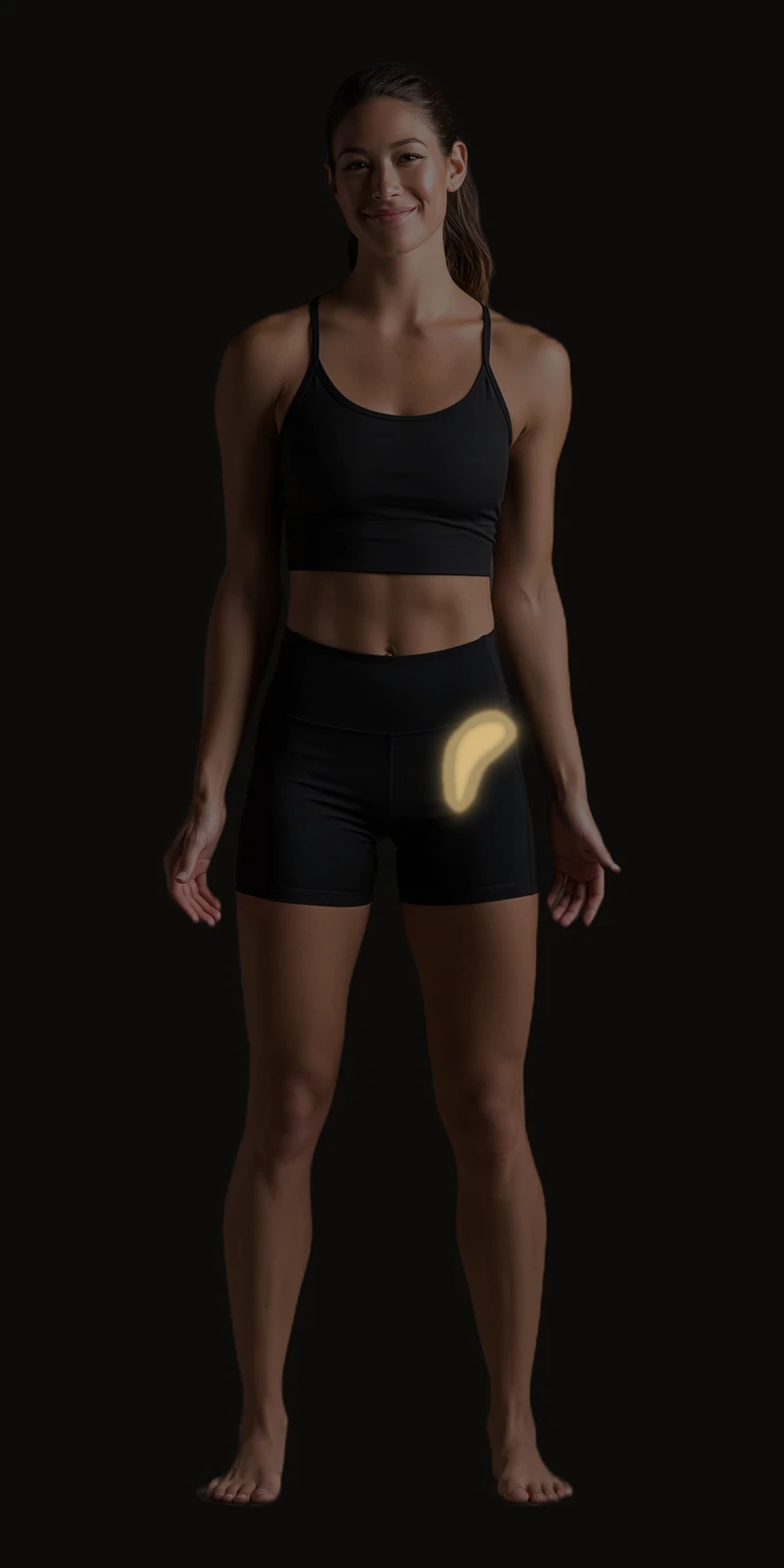
Where the pain is felt: Deep in the groin, just below the crease where the thigh meets the trunk, over the front of the hip joint. A short way down the upper inner thigh. Deep and hard to point to.
Common causes: A sudden slip into a split; a fall on the hip; a kicking or sprinting injury; sitting cross-legged for hours; the months of pregnancy and after; hip surgery.
Patients say: "Deep in the groin, right below the crease." "The adductor work helped, but this stayed." Pain bringing the knee up and in.
When to get evaluated: Groin pain with a bulge that appears on coughing or straining needs assessment for a hernia. Groin pain in an older adult after a fall needs a hip fracture ruled out. Groin pain with fever, or with pain in the testicle or the lower abdomen, needs medical evaluation first.
How this muscle is examined and treated
Examination tests adduction and flexion together against resistance, then presses just below the inguinal ligament, medial to the femoral pulse, for the point that reproduces the deep groin ache. It is examined after the adductors and the iliopsoas, because it is the pain they leave behind. Needling here addresses the muscle below the crease, medial to the vessels, with the pulse located first. Assessment and treatment happen in the same visit.
Related conditions
Hip & Glute PainSports & Performance InjuriesChronic Pain Patterns
This page is educational. It describes muscle referral patterns commonly associated with pain; it does not diagnose your condition. Individual patterns vary. For evaluation of your specific pain, see a licensed clinician. Seek immediate medical care for emergencies. Eugene Baek, L.Ac. · New Jersey License 25MZ00080600