Pyramidalis: Pain Pattern and Treatment
The pyramidalis is a small triangular muscle at the very bottom of the abdomen, rising from the pubic bone toward the navel in front of the rectus abdominis. About one person in five does not have it. Its documented pattern is pain at the midline of the lower abdomen just above the pubic bone, in a narrow triangle. It is a muscle behind low midline belly pain that has been worked up as bladder, bowel, or gynecologic and found normal, and it is worst sitting up from lying flat. It relates to the rectus abdominis page.
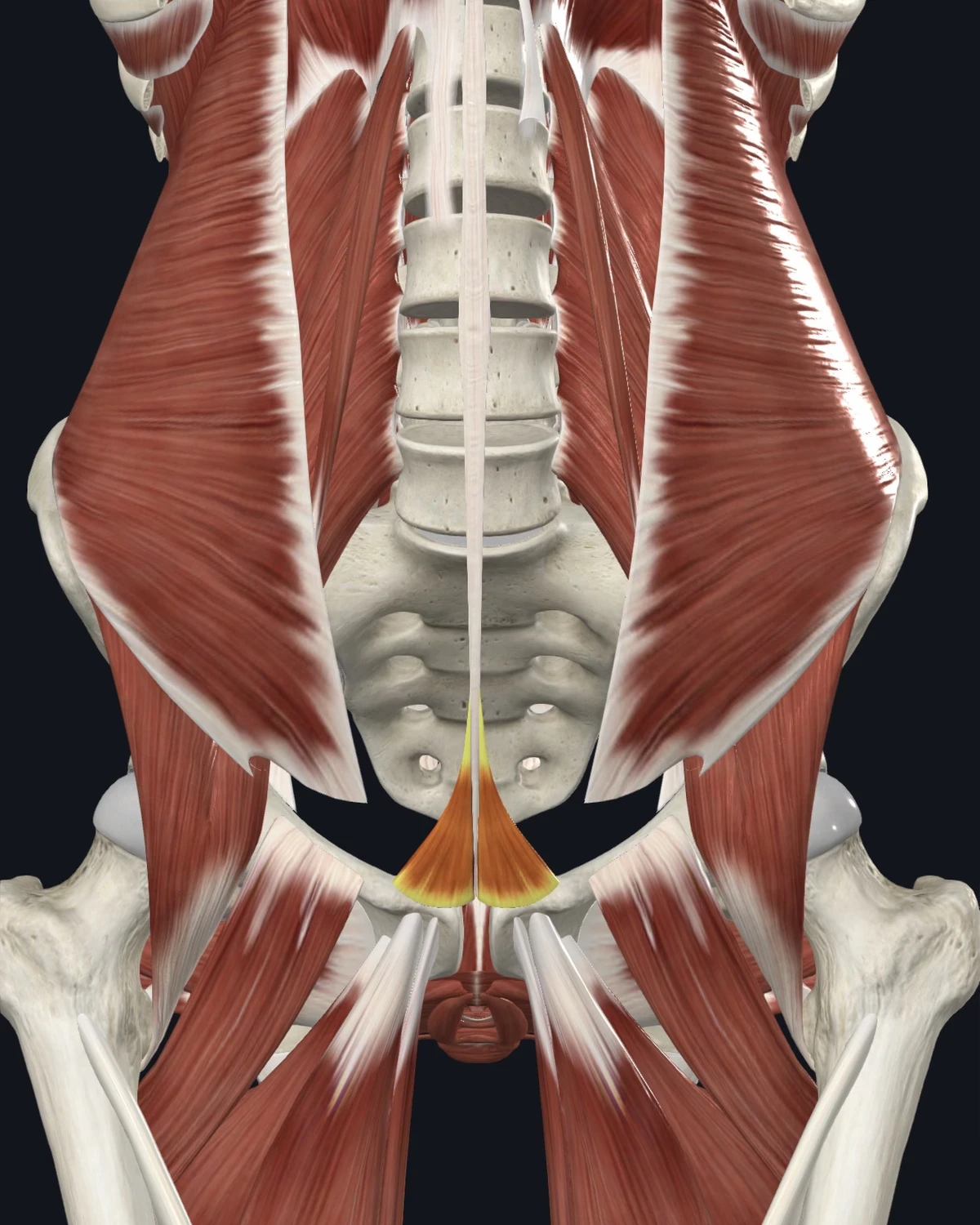
Attachments and action
Origin: The front of the pubic bone and the pubic symphysis.
Insertion: The linea alba, midway between the pubis and the navel.
Action: Tenses the linea alba; it is a variant muscle with no other consistent action.
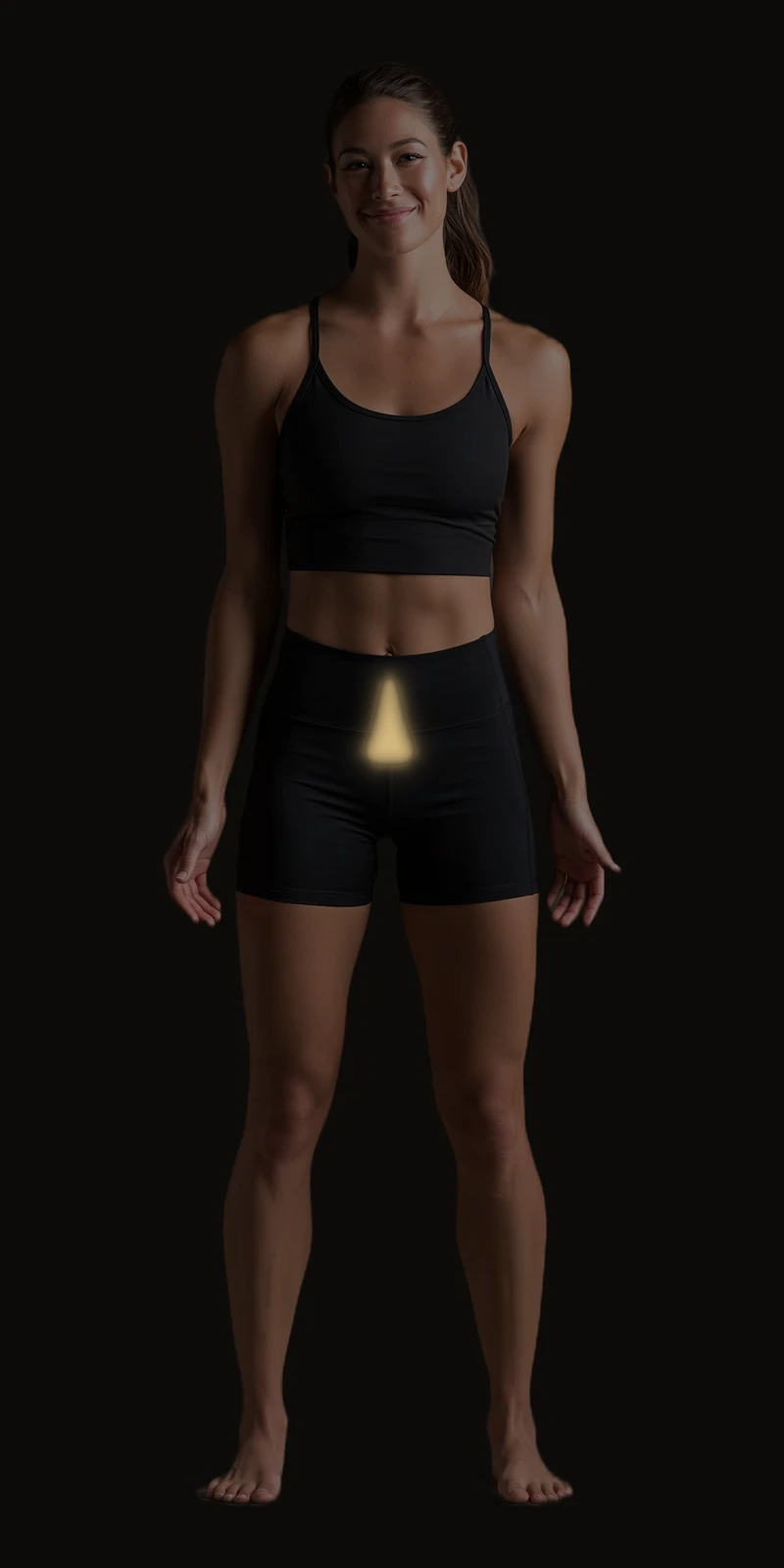
Where the pain is felt: At the midline of the lower abdomen, just above the pubic bone, in a narrow triangle rising toward the navel. Worst sitting up from lying flat, coughing, and straining.
Common causes: Sit-ups and leg raises; pregnancy and the months after; abdominal or pelvic surgery, including a cesarean scar; chronic constipation and straining; a fall onto the pubis; pelvic floor tension that pulls on the pubic bone.
Patients say: "Right above my pubic bone, in the middle." "They checked my bladder and everything was normal." Pain sitting up in bed. "It has been there since my cesarean."
When to get evaluated: Lower abdominal pain with fever, burning urination, blood in the urine, abnormal bleeding, or pain with a missed period needs medical evaluation before anything else. Pain with a bulge at the groin or above the pubis needs assessment for a hernia. Testicular or pelvic pain of sudden onset needs emergency evaluation.
How this muscle is examined and treated
Examination, with the bladder and gynecologic causes cleared, presses the midline just above the pubic bone with the trunk relaxed and again with the head lifted, which tightens the muscle and sorts it from the organs beneath. Needling here addresses the small triangle above the pubic bone, very shallow, angled along the muscle. Assessment and treatment happen in the same visit.
Related conditions
Chronic Pain PatternsLow Back PainPost-Surgical Recovery
This page is educational. It describes muscle referral patterns commonly associated with pain; it does not diagnose your condition. Individual patterns vary. For evaluation of your specific pain, see a licensed clinician. Seek immediate medical care for emergencies. Eugene Baek, L.Ac. · New Jersey License 25MZ00080600