Peroneal Group: Pain Pattern and Treatment
The peroneus longus and brevis run down the outer leg and turn behind the outer ankle bone to stabilize the foot’s lateral border. Their documented pattern concentrates around the lateral malleolus, above, behind, and below it, with a short run along the outer foot and spill over the outer middle third of the leg. The pattern imitates a sprain that never healed.
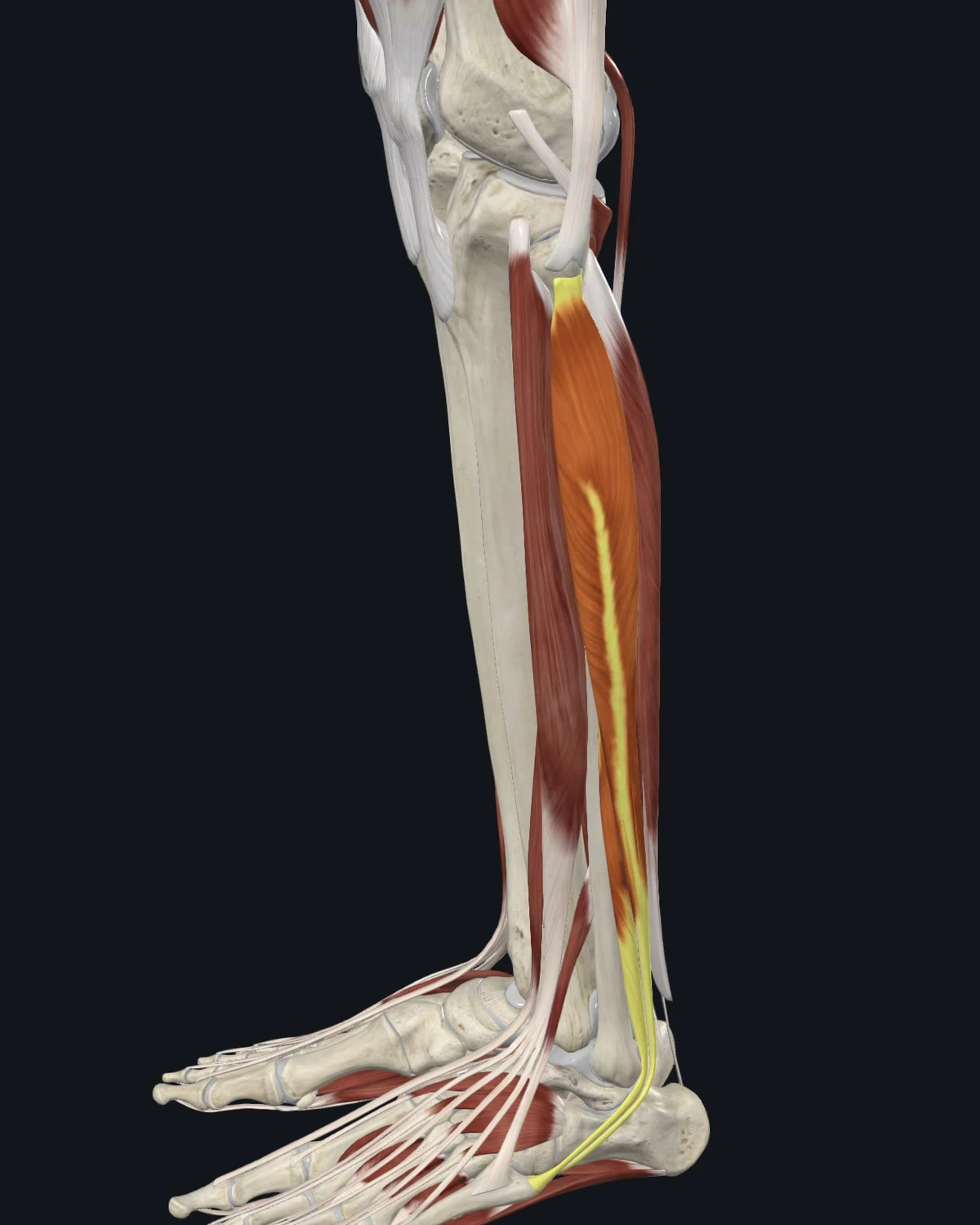
Attachments and action
Origin: The peroneus longus from the fibular head and upper lateral fibula; the peroneus brevis from the lower lateral fibula.
Insertion: The longus crosses under the foot to the medial cuneiform and first metatarsal base; the brevis attaches to the base of the fifth metatarsal.
Action: Eversion of the foot and first-ray stabilization; the lateral guard rails of every step on uneven ground.
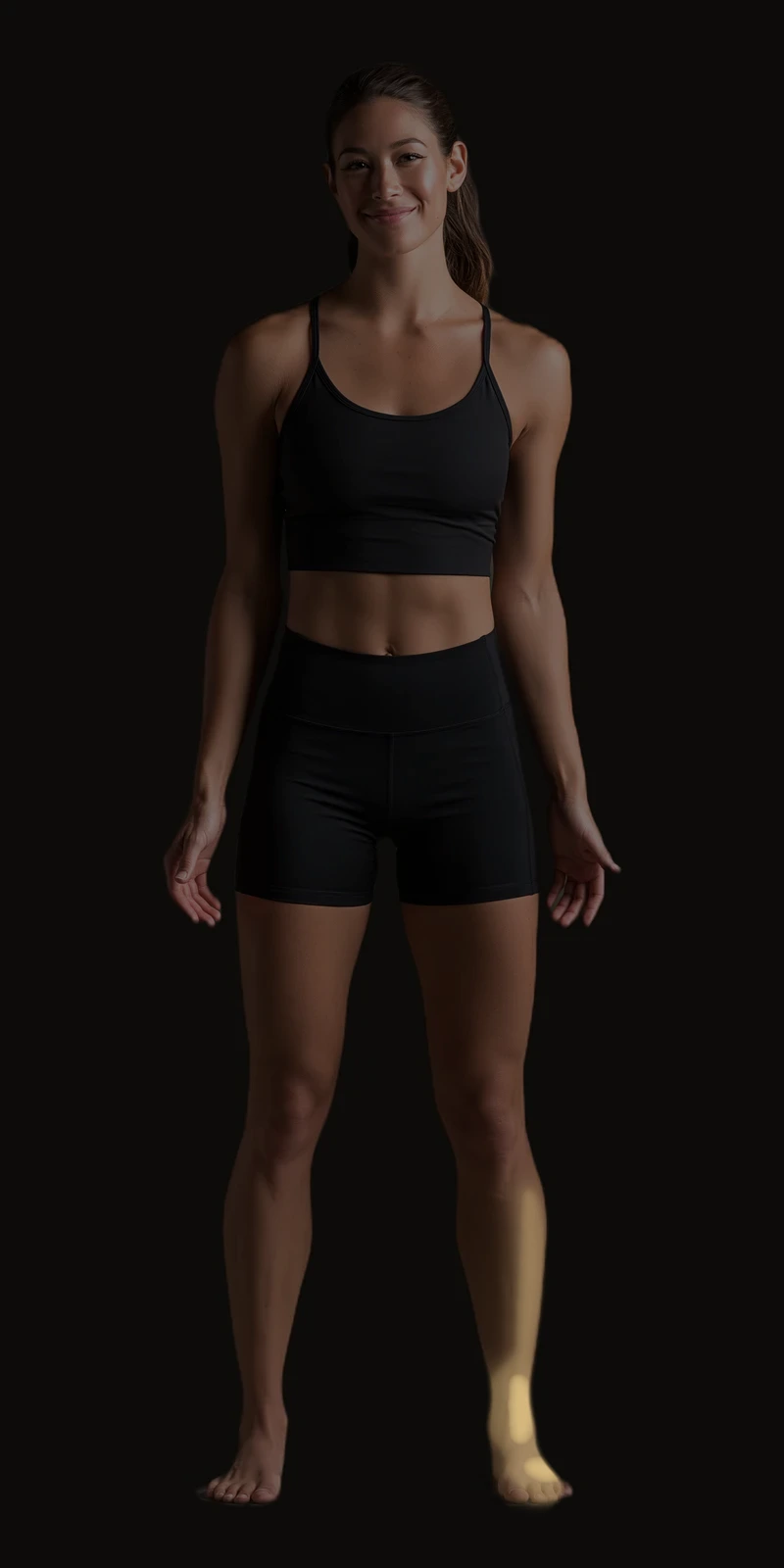
Where the pain is felt: The outer ankle, concentrated above, behind, and below the ankle bone, with a short run along the outer border of the foot and a bolder spill over the outer middle third of the leg.
Common causes: Old ankle sprains, walking on uneven ground, unstable footwear, weak lateral hip support up the chain, habitual leg crossing pressing the fibular head.
Patients say: An outer ankle that aches long after the sprain healed. A “weak” ankle that rolls easily. Soreness after uneven trails. Outer-leg tightness in new shoes.
When to get evaluated: An ankle that gives way with true instability on exam, or pain with inability to bear weight after a twist, is imaged first. Numbness or foot drop after pressure at the fibular head involves the peroneal nerve and is evaluated promptly.
How this muscle is examined and treated
Examination tests resisted eversion, compares single-leg balance, checks the fibular head, and maps the peroneal bellies for the points that reproduce the outer-ankle ache. Needling addresses the longus and brevis bellies along the fibula, clear of the peroneal nerve’s path. Assessment and treatment happen in the same visit.
Related conditions
Ankle & Foot PainTendinitisChronic Pain Patterns
Treatment points: Peroneal motor point, GB34 Yanglingquan, BL60 Kunlun, GB40 Qiuxu
This page is educational. It describes muscle referral patterns commonly associated with pain; it does not diagnose your condition. Individual patterns vary. For evaluation of your specific pain, see a licensed clinician. Seek immediate medical care for emergencies. Eugene Baek, L.Ac. · New Jersey License 25MZ00080600